This edition of MRM’s Daily Bite has news from Pizza Hut, Chipotle and DoorDash, The Dapper Doughnut, MR.SUB, P. F. Chang’s, Chicago Meat Authority and City Harvest.
Send news items to Barbara Castiglia at bcastiglia@modernrestaurantmanagement.com.

Happy 60th Birthday, Pizza Hut!
In celebration of its birthday, Pizza Hut is introducing a new pizza that combines two of the brand’s most iconic menu items into one great new innovation called Double Cheesy Crust Pan Pizza.
The new, limited-time pizza pays homage to Stuffed Crust and Original Pan by baking a ring of cheese just inside the unmistakably golden edge of Pizza Hut Pan crust. An additional layer of toasted parmesan is baked on the crust edge and the pizza is topped off with a blend of parmesan and oregano.
“In addition to winning over pizza fans with innovations like the Double Cheesy Crust Pan Pizza, Pizza Hut has also become part of the fabric of American pop culture,” said Zipporah Allen, CMO, Pizza Hut. “Whether it’s making an appearance in iconic movies or changing the way we order food by being the first pizza ordered online, Pizza Hut has proven time and time again that No One Out Pizzas the Hut.” 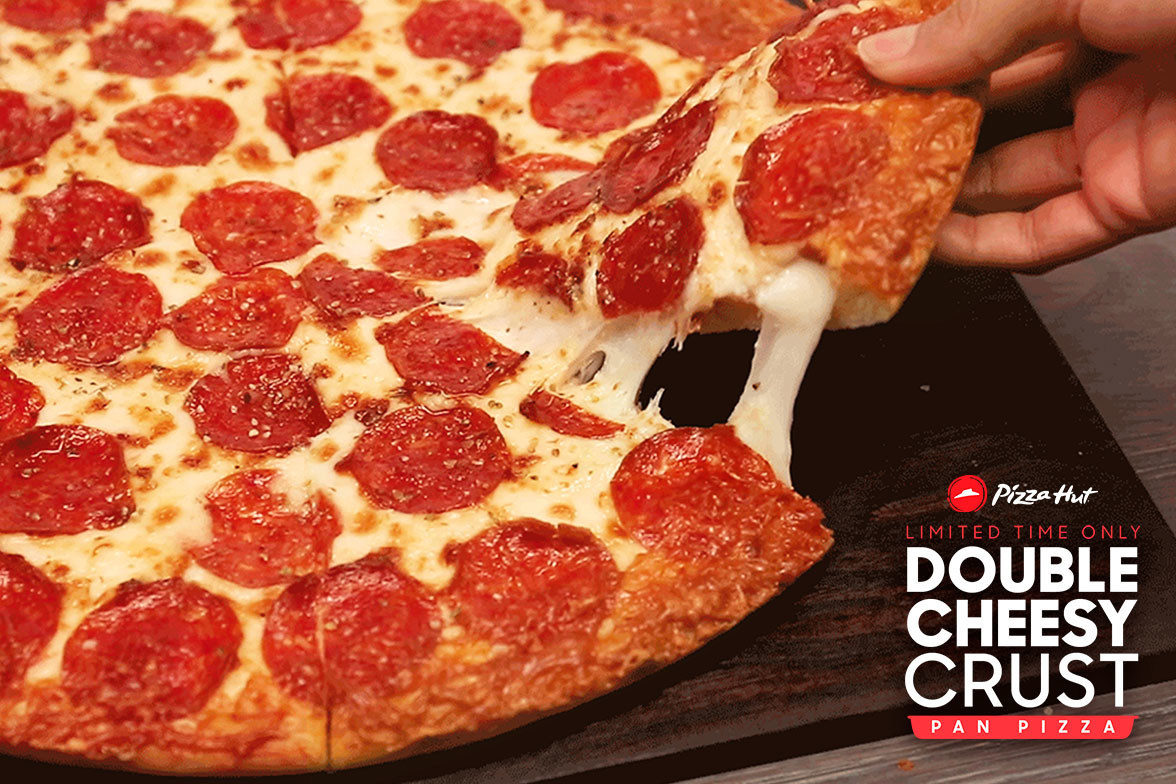
Did you know that Pizza Hut:
- Made appearances in more than 19 movies
- Created the nation’s largest reading-incentive program with BOOK IT!
- Was the first pizza delivered to the White House
- Was the first physical good ever purchased via the internet
- Started with one store in Wichita, Kan., in 1958, opened in part thanks to a $600 loan from “mom” to the founding brothers Frank and Dan Carney
- Choreographed the longest pizza delivery in history, sending an order via rocket to the International Space Station
- Set a World Record for highest pizza delivery to the summit of Mount Kilimanjaro
- For many years was the largest global purchaser of kale
- Created one-of-a kind Pie Tops sneakers that order pizza with a push of a button
- Forged a global partnership with Toyota to explore the future of autonomous vehicle pizza delivery and other initiatives to improve mobility around the world
Earlier this year, Pizza Hut released the Pie Tops II, Bluetooth-enabled sneakers that order pizza and pause the TV with a push of a button. Recently, the company also launched voice command ordering, the first pizza tracker that includes text messaging and Hut Rewards, the only national pizza loyalty program with a faster way to free pizza through points for every dollar spent on food online.
“Over the past 60 years, Pizza Hut has become so much more than just a pizza company,” said Allen. “We are proud of the achievements made in the last 60 years and are looking forward to what the future holds.”
Chipotle Teams with DoorDash
Chipotle Mexican Grill and DoorDash teamed for a national delivery partnership that makes Chipotle delivery available from more than 1,500 Chipotle restaurants across the country, the company’s largest delivery footprint to date.
“Delivery is an important way we are making Chipotle even more convenient and accessible to our customers who want to get Chipotle delivered right to their home, office, or wherever they are,” said Curt Garner, chief digital and information officer at Chipotle. “By partnering with a delivery leader like DoorDash, we are making it even easier for customers to enjoy all the real ingredients that make up our delicious food.”
To launch this partnership, Chipotle customers are eligible for free delivery on Chipotle orders of $10 or more placed through DoorDash to Sunday, May 6, including May 5 in celebration of Cinco de Mayo. Chipotle customers in areas across the U.S where DoorDash is available can place their orders on the DoorDash mobile app or website. Delivery on qualifying orders will be free during regular Chipotle operating hours for the entire week using the promo code GETCHIPOTLE at checkout.
“We strive to offer our customers the best selection possible,” said Christopher Payne, chief operating officer of DoorDash. “Our ability to deliver such delicious and requested food from restaurants like Chipotle, while keeping quality at the forefront, has enabled us to become a leader in this industry.”
The Dapper Doughnut Debuts
Beavers Coffee + Donuts is re-branding to The Dapper Doughnut, the name of their franchise company, and aggressively rolling out new locations nationwide. Childhood friends who shared an entrepreneurial spirit, strong worth ethic and passion for food, Gabriel Wiesen and James Nuccio started Beavers Coffee + Donuts in 2011. Making fresh, fried to order mini donuts and serving locally roasted coffee on Chicago’s first cooking food truck, the pair grew their business in Chicago to include five additional food trucks and a permanent location inside the Chicago French Market.
Over the past year, they have opened up a new flagship store inside the MGM Grand Hotel and Casino in Las Vegas, and started franchising their made to order mini donut concept, which has turned into a runawayhit. To date, they have more than 30 franchise locations currently awarded and many more coming on board each month.
“We put it all on the line, and are so blessed with what has happened,” said Wiesen. “We are thrilled to have the ability to share our success with so many others who are also chasing their dream of owning a small business.”
In less than seven years, the company evolved from a “garage-born” startup, to an award-winning brand that franchisees want to be part of. Today, the franchise is available as traditional stand-alone storefronts, food trucks, and kiosks.
“Jimmy and I have poured our hearts and soul into this business- from physically doing every element of the operations when we first launched, to leading a staff of more than 50 currently. You might say Jimmy and I have donuts in our blood and coffee running through our veins,” added Wiesen. “We are incredibly proud of the Beavers Coffee + Donuts brand and all that our team has achieved. But as we grow further beyond Chicago we are adapting and appealing to a new national audience. We know our reputation for amazing donuts and customer service will follow us as we transition to The Dapper Doughnut, and we could not be more excited for what is to come.”
The Dapper Doughnut locations started opening outside of Chicago beginning roughly a year ago with stores currently open or in development in Reno, Dallas, Houston, Creve Couer, Missouri, Cincinnati, Nashville, Atlanta, New Stanton, Pennsylvania, Philadelphia, Boston, Denver, and Greenville, South Carolina with their flagship store at the MGM Grand in Las Vegas and another flagship store to open this summer at the Fulton Center located in the financial district of Manhattan.
“Our goal, that we are on pace to reach, is 100+ franchise territories awarded by the end of 2018. We have also begun discussions with several large franchise development companies who are interested in potentially adding hundreds of locations both nationally and internationally this year. Those deals aside, we are experiencing tremendous growth, and we are honored and ready to work with so many great franchise partners,” said Wiesen.
MR.SUB Turns 50
The first in its category in Canada to introduce RWA meats, MR.SUB is celebrating its 50th anniversary this year. Since 1968, when MR.SUB first opened its doors in Yorkville, Toronto, it has been serving sandwiches, to over 270 locations across Canada and internationally. MR.SUB is now introducing meats raised without antibiotics to the menu.
“We are constantly evolving and remain dedicated to providing Canadians with fresh, quality ingredients, which is why we are excited to share that MR.SUB will now be serving our most popular proteins all raised without antibiotics,” said Jason Brading, Brand Vice President, MR.SUB. “As we look back at the past 50 years and the opportunities that we’ve had to share our meals with Canadians, it’s easy to see that we did not get here alone. We’re dedicating our 50th anniversary to all who helped us grow and made our restaurants their home away from home. We’ve made the food, but it has been Canadians who have made MR.SUB, and we are proud to demonstrate our sincere appreciation by offering healthier choice options to our guests, like our new raised without antibiotics line up.”
MR.SUB will be the first National sub sandwich restaurant in the QSR industry in Canada to serve meats raised without antibiotics, including turkey, salami, ham and luncheon meat.
P.F. Chang’s Opening in China
P.F. Chang’s is opening its first restaurant in China at the No1 Mall on the iconic Nanjing Road in Shanghai. P.F. Chang’s currently owns and operates more than 300 restaurants in 23 countries and territories.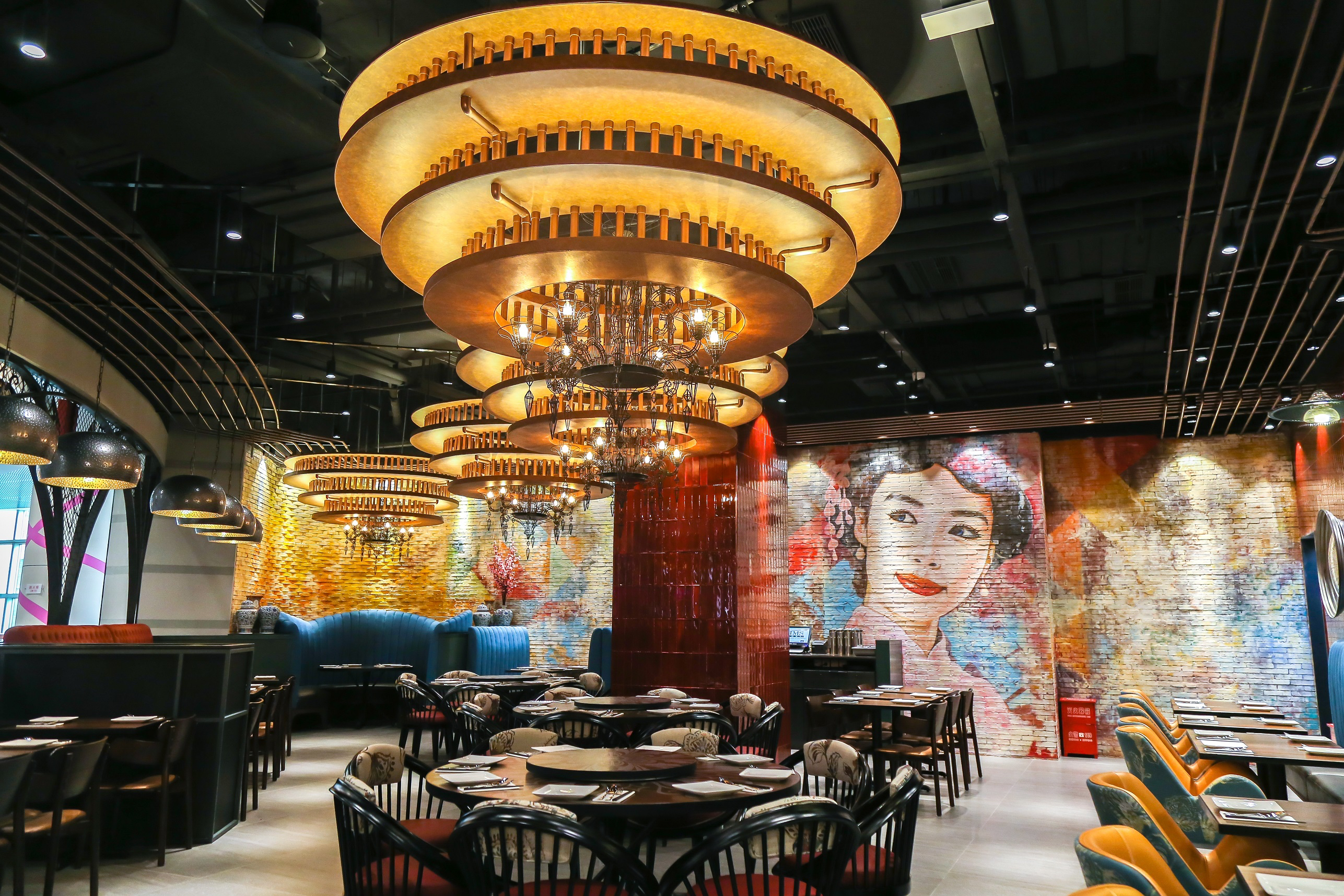
“We’re thrilled to bring P.F. Chang’s to China,” said Michael Osanloo, P.F. Chang’s CEO. “We have been very successful in 23 other countries and are confident our unique Asian-inspired offerings will resonate with the sophisticated Chinese consumer. Our food is made fresh, from scratch every day in every P.F. Chang’s restaurant around the world. We’re honored to offer this unique experience to Shanghainese consumers and travelers to this amazing city.”
P.F. Chang’s plans to open six to eight restaurants in the U.S., and an additional 12-15 restaurants globally in 2018.
CMA Wins Organic Certification
Chicago Meat Authority (CMA) is certified to begin producing cuts of pork with the option to produce other meats such as beef and poultry for customers who want organic products.
Chicago Meat Authority has been certified by MOSA as a handler under the USDA National Organic Program. As a handler, CMA is required to have a program in place to ensure that organic products remain pure and are not cross-contacted with non-organic products or prohibited substances.
“We are delighted to provide the organic option to our customers,” said Lisa Rabe, director of technical assurance at CMA. “Our customers are requesting organic meats and clean labeling. We are looking at ways to provide all these potential items in the coming months. We are testing different marinations and other quality control options to satisfy all of our customers’ needs.”
As a certified handler, CMA stores organic raw material and finished products separately from non-organic products in keeping with the company’s rigorous quality control procedures. All procedures and processes are monitored and verified to ensure that all requirements are followed.
CMA currently has been certified to produce organic pork butts and picnics. To produce beef and poultry, MOSA can amend CMA’s certification to include those proteins and any other pork products the company wants to produce.
Products are certified USDA organic when they are produced using exclusively organic methods containing only organic ingredients. The organic requirements include the collection of information on the history of every animal including the breed history, veterinary care and feed plus the animals must be raised on certified organic land that is not subject to most synthetic fertilizers, pesticides, sewage sludge or genetic engineering for at least three years and animals must have outdoor access.
Organic farms tend to be smaller than so-called factory farms and farmers and ranchers have to manage their herds for longer times before slaughter because they do not use synthetic growth hormones or antibiotics. While all of these factors add to the cost of each product produced, consumers have shown a willingness to pay a premium for food that is grown and produced according to the USDA National Organic Program.
Since 1990, the Midwest Organic Services Association says the organic food industry has grown by more than 20% per year. In 2014, organic sales reached $39 billion and represented five percent of all food sold in the United States. Americans increasingly are showing more of an awareness and interest in adding organic food to their diets. Approximately 70 percent buy organic food occasionally and nearly 25 percent buy some organic food every week.
Chicago Meat Authority began in 1990, encompasses 80,000 square feet and produces sales of $125 million per year. The company sells to the hotel, restaurant and institutional markets in addition to meat purveyors and multi-unit regional and national chains. CMA also specializes in custom cuts for further processors including grinding operations, deli manufacturers and the meat snacks market. The company employs 200 specialty butchers who customize meat for selective chefs.
City Harvest Commemorates 35th Anniversary
This year, City Harvest commemorates a major milestone: 35 years of fighting hunger and food insecurity across New York’s five boroughs. The organization rescues nutritious food that would otherwise go to waste, and redirects it to help feed the nearly 1.3 million New Yorkers, including one in five children, who struggle daily to put meals on their tables.
Since December 1982, the organization has rescued and delivered more than 600 million pounds of food, and this year alone, will rescue 59 million pounds of food, delivering it to 500 soup kitchens, food pantries and other community food programs across the five boroughs. By redirecting nutritious food from farms, grocers, restaurants, manufacturers and farmers’ markets to New Yorkers in need, City Harvest has created an unprecedented way to address food waste and hunger. This “neighbor-helping-neighbor” model has been replicated across the country and around the world, from Houston, Texas to Athens, Greece.
City Harvest’s work has always focused on serving vulnerable populations through pioneering solutions that also foster community engagement. When its first Executive Director Helen verDuin Palit was eating a potato skins appetizer at a local restaurant, she saw the practical value discarded potato insides could have in the soup kitchen where she was volunteering at the time. After speaking with the chef, verDuin Palit got the restaurant to donate 30 gallons of cooked potatoes. In that defining moment, City Harvest—not to mention the simple but revolutionary idea of food rescue—was born.
“New York is a city that has so much, and it is unthinkable that so many of our neighbors do not have enough food for themselves and their families,” said current City Harvest Chief Executive Officer Jilly Stephens. “Nearly half of all households in our city don’t earn enough income to make ends meet. Many New Yorkers we serve have homes and jobs. In one of the most expensive cities in the country, it’s not easy to pay fixed expenses like rent, utilities, childcare, and transportation—and still have enough to put food on the table. City Harvest was founded by neighbors helping neighbors, and that principle will always remain at the heart of our mission.”
Adapting to and evolving with the needs of New York City’s diverse, ever-changing, and growing population has been central to City Harvest’s history—in good times, and in bad. From distributing hot meals to first responders in the weeks immediately following 9/11, to quickly delivering more than one million pounds of additional food when families were struggling during the 2008 financial collapse, to providing seven million pounds of relief food in response to Superstorm Sandy, City Harvest has helped New Yorkers through some of our darkest hours. The organization also stepped up to aid in hurricane relief efforts in Houston, Florida and Puerto Rico this past year, sending food and supplies to neighbors in need across the nation.
Through the Healthy Neighborhoods initiative, City Harvest has become a model for how to meet immediate food needs while also promoting wellness and the prevention of diet-related illnesses. The organization works hand-in-hand with communities in need through innovative programs such as Mobile Markets, which bring free, fresh fruits and vegetables to low-income communities, and nutrition education workshops, which help New Yorkers of all ages use fresh produce and create health-oriented dishes.
“Thanks to City Harvest, people in my neighborhood have access to fresh produce and food – especially fresh vegetables that they can’t afford in the supermarket,” said Belinda Ebanks, a participant in City Harvest’s Mobile Market in Queens. “City Harvest encourages people to eat fresh fruit and vegetables as opposed to canned, or not eating them at all. City Harvest means we have food to feed our families.”
As City Harvest marks 35 years, it is stronger than ever before, thanks to the support of thousands of volunteers, food donors, individual and corporate donors, restaurant and chef partners, soup kitchens, food pantries, and community partners who work together to ensure that all New Yorkers, no matter who they are or where they come from, have access to nutritious food.
Pizza Hut at 60, Delivering Chipotle and The Dapper Doughnut Debuts posted first on
happyhourspecialsyum.blogspot.com